

Baking Tips

How Much Is Too Much
Finding the perfect balance of herbs can elevate your dish from ordinary to extraordinary. But how do ensure you’re adding just the right amount without overwhelming or underwhelming your flavors? In this article, we’ll provide tips and tricks to master the art of herb selection for recipes. Get ready to enhance your culinary creations with the perfect herb proportions!

Yeast: The Living Engine in Your Kitchen!
Discover the fascinating world of yeast and its pivotal role in cooking! From the bubbly charm of active dry yeast to the unique flavors of wild yeast, each type brings its own character to your culinary creations. Join us as we explore how these diverse yeasts can "raise" your baking and cooking skills to new heights!

What are the essentials I need to get started? Part 3
Ready for the final part of embarking on your baking journey? Discover the absolute essentials that every aspiring baker needs to whip up delicious treats and master the art of baking. From must-have tools to key ingredients, this guide will set you on the path to baking success!

Fermentation versus Proofing
Discover the essential differences between proofing and fermentation, two crucial processes in baking that can make or break your bread. While both play a vital in developing flavor and texture, understanding their unique functions can your baking skills to new heights. Dive in to learn how to master these techniques for perfectly risen and delicious baked goods!
What Are the Essentials I Need to Get Started? Part 2
Ready to continue on your baking journey? Discover the absolute essentials that every aspiring baker needs to whip up delicious treats and master the art of baking. From must-have tools to key ingredients, this guide will set you on the path to baking success!
What Are the Essentials I Need to Get Started? Part 1
Ready to embark on your baking journey? Discover the absolute essentials that every aspiring baker needs to whip up delicious treats and master the art of baking. From must-have tools to key ingredients, this guide will set you on the path to baking success!

Not All Ovens Are Created Equal
When it comes to baking, the type of oven you use can make all the difference between a culinary masterpiece and...well something else. Understanding how various oven types impact your baking outcomes is essential for achieving consistent results. Let's look into how to maximize your outcomes based upon your kitchen and harness the power of your oven to elevate your baking game!

Flour: Yes, What You Use Matters!
When it comes to baking, selection is a crucial factor that can make or your creations. Different types of flour have varying protein content, which influences the texture and structure of your baked goods. Whether you're aiming for a light and airy cake a dense loaf of bread, choosing the right flour will ensure your baked goods turn out perfectly every time. Understanding the nuances of flour can elevate your baking game!

The Foundation of Flavor 2: A Guide to Liquid Fats in Baking
In baking, fat is far more than just a source of richness or flavor—it is the ultimate structural architect. From the spread of a cookie to the tenderness of a cake and the flakiness of a pie crust, fat determines the final texture of nearly every baked good. Here we explore the varieties of Liquid Fats and discuss their qualities as well as how they affect your bakes!


Stop Burning Your Edges: The Secret Thermodynamics of Your Baking Pans
Your baking pan is the most overlooked tool in your kitchen, yet it single-handedly controls your crust's color and texture. Learn the science behind dark metal, shiny aluminum, and glass so you can master the heat and achieve perfect results every time.

The Foundation of Flavor 1: A Guide to Solid Fats in Baking
In baking, fat is far more than just a source of richness or flavor—it is the ultimate structural architect. From the spread of a cookie to the tenderness of a cake and the flakiness of a pie crust, fat determines the final texture of nearly every baked good. Here we explore the varieties of Solid Fats and discuss their qualities as well as how they affect your bakes!

The Sweet Science: How Different Sugars Shape Your Baked Goods
Sugar is often mistaken as merely a flavor component, but in the world of baking, it is an essential architectural material. It tenderizes the crumb, regulates spread, controls moisture, and is responsible for that beautiful golden-brown color. Choosing the right type of sugar is just as critical as choosing the right flour or yeast. Understanding how each variety behaves—from the coarse crystals of granulated sugar to the fine powder of confectioners' sugar—will give you precise control over the texture, tenderness, and final appearance of everything you bake

Scaling Recipes: Safely Adjusting Batches Up or Down Without Ruining the Ratio
You need to make three dozen cookies instead of one, but multiplying your cups and spoons leads to flat, metallic-tasting failures. The secret to safely scaling any recipe lies in abandoning volume for weight and understanding which key ingredients should never be increased proportionally.

The Power of Steam: Using Steam Injection to Achieve a Crispy Crust on Bread
Why do professional artisan loaves have that beautifully thin, glossy, blistered, and crispy crust, while home bread often ends up thick and dull? The secret is steam injection, which delays the crust from setting, allowing your dough to achieve maximum volume and the perfect shatteringly crisp texture.


Mixing Bowl Materials: Glass, Metal, or Plastic—When the Bowl Matters
A mixing bowl seems simple, but its material is often the unseen culprit behind flat meringues or separated whipped cream. Learn the functional science of steel, glass, and plastic to ensure you always have the right temperature-controlling vessel for every delicate baking task.

Parchment Paper vs. Silicone Mats: Choosing the Right Non-Stick Surface
Both parchment paper and silicone mats prevent sticking, but their real difference lies in how they affect the crucial texture of your cookie or pastry bottom. Learn which surface insulates the heat for a softer chew and which promotes crisp browning, ensuring you pick the perfect tool for your next bake.

The Cooling Rack Rule: Why You Must Transfer Baked Goods Immediately
You've achieved perfection inside the oven, but the final, delicate texture of your cake or cookie is determined in the crucial minutes immediately following its removal. Don't let your perfect bake become a victim of its own success!
Humidity and Baking: Adjusting Recipes in High and Low Moisture Environments
You measured every ingredient perfectly, but why did your recipe that worked flawlessly in at your house fail miserably when visiting family by the sea? Learn to recognize the signs of high or low ambient moisture and master the simple adjustments to flour and liquid ratios that guarantee perfect baking in any climate.

The Freezer is Your Friend: Flash Freezing Dough and Storing Baked Goods
Imagine always being fifteen minutes away from the perfect, freshly baked cookie, or having holiday dough prepped months in advance. Learn the science of flash freezing and airtight storage to lock in peak freshness, making your freezer your most powerful baking scheduling tool.

Calibration is Key: How to Check and Adjust Your Oven Temperature
Your oven dial might be lying to you, and that hidden temperature difference is sabotaging your otherwise perfect baking technique. Discover the simple, three-step method to find your oven's true heat and gain absolute, consistent control over every recipe.

The Role of the Rack: Positioning Your Pans for Even Baking
You meticulously measure every ingredient, but often, the difference between a perfectly set bottom and a soggy mess is just a few inches. Learn to stop guessing where your pan belongs and strategically use the oven's unique heat zones for flawless, even results every single time.

Zest is Best: Maximizing Citrus Flavor Without Adding Acidity
Want to achieve intense lemon flavor without making your cake too acidic or too runny? The secret is to separate the aromatic oils found in the colorful zest from the liquid and acid in the juice, giving you concentrated flavor without disturbing your recipe's delicate balance.
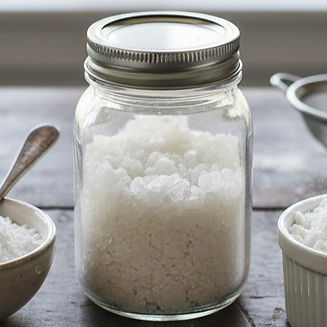
Understanding Starches: Cornstarch, Tapioca, and Potato Starch for Thickening and Tenderizing
Starches are the secret weapons in the baker's pantry that can prevent a pie filling from running and turn a regular cake incredibly soft. To use them effectively, you need to know a simple rule: match the starch—cornstarch, tapioca, or potato—to your desired texture, shine, and stability.

The Sweetener Spectrum: Using Honey, Maple Syrup, and Molasses in Place of Granulated Sugar
Swapping granulated sugar for honey or maple syrup is never a simple trade, as liquid sweeteners change your recipe's moisture level, acidity, and ability to brown. Mastering the substitution requires reducing other liquids and dropping your oven temperature to ensure perfect texture and prevent burning.

Nut Flours Demystified: Substituting Almond, Coconut, and Oat Flours
Don't let the lack of gluten intimidate you from exploring the world of almond, coconut, and oat flours in your baking. The secret to successful substitution lies in understanding the unique absorbency, fat content, and fiber structure of each flour to compensate correctly for the missing elasticity.

The Power of Vanilla: Extract vs. Bean Paste vs. Synthetic—Why it Matters
The choice between different vanilla forms dictates the flavor complexity, aromatic depth, and visual appeal of your baked goods. Mastering the functional differences between extract, paste, and whole beans is the key to controlling moisture, purity, and taste in every recipe.

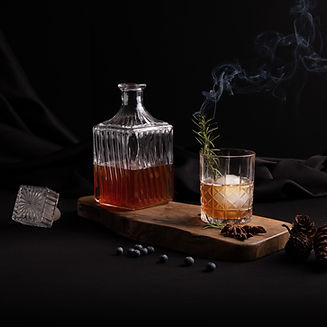
Baking with Alcohol: Enhancing Flavor and Extending Shelf Life
Want to deepen the flavor of your chocolate cake and keep your holiday fruitcake moist for weeks? The secret weapon is alcohol, which acts as a powerful solvent that concentrates flavor compounds during baking while simultaneously providing natural, long-term preservation.

The Science of Salt: Why a Pinch of Salt Makes Sweets Taste Sweeter
Why does every sweet recipe, from cookies to custards, call for a pinch of salt? It's the most critical non-sweet ingredient, acting as a chemical regulator that controls yeast, strengthens gluten, and miraculously amplifies sweetness by balancing bitter flavors.

Whole Milk vs. Buttermilk: Mastering Dairy Choices for Texture and Tang
Are you confused about why swapping whole milk for buttermilk—or vice-versa—ruins your biscuits or pancakes? The secret lies in understanding the critical chemical difference between neutral fat and active acid, which is the key to controlling the rise and achieving that signature tender crumb.

The Egg Factor: How Egg Size, Temperature, and Freshness Impact Your Batter.
Are you tired of your cakes sinking or your cookies spreading unexpectedly? The secret to professional-level consistency isn't just in the recipe—it's in mastering the subtle yet critical variables of egg size, temperature, and even age.

Laminating Layer by Layer: The Art of Puff Pastry and Croissants
What gives a croissant its signature shatteringly crisp exterior and a puff pastry its incredible height? It's the masterful process of lamination, where hundreds of paper-thin layers of dough and cold butter trap steam to create a phenomenal, flaky rise in the oven.

Why Temperature is King: The Importance of Room Temperature Ingredients
Have you ever had your cake batter look curdled and separated even though you followed every step perfectly? The problem is temperature, as cold ingredients shock the butter, collapsing the crucial air pockets and preventing a smooth, light-holding structure.

Folding vs. Stirring: How to Incorporate Ingredients Without Deflating Your Batter
The way you combine the final ingredients determines whether your baked good turns out light and fluffy or dense and chewy. Folding is the slow, gentle technique used to preserve vital trapped air, while stirring aggressively builds gluten and promotes a sturdy structure.

Kneading Done Right: The Windowpane Test and Developing Gluten for Perfect Bread
Kneading is the magical physical process that transforms a sticky pile of ingredients into the elastic scaffolding needed for lofty bread. The secret to knowing when your dough is perfectly structured is the "windowpane test," which confirms the gluten is strong enough to trap air for a spectacular rise.

Butter Temperature Breakdown: Cold, Room Temp, and Melted—The Ultimate Guide
The texture of your finished baked good is determined not by the amount of butter you use, but by its temperature when it hits the bowl. Cold butter guarantees flaky layers, soft butter traps air for a high rise, and melted butter delivers maximum chewiness and moisture.


Precision Matters: Weight vs. Volume Measuring in Baking
Have you ever followed a recipe perfectly, only to have your cake turn out dense or your cookies spread too much? The solution isn't the recipe—it's abandoning inconsistent measuring cups for a digital scale, the single most reliable tool for achieving professional consistency.

Dairy-Free Swaps: Butter, Milk, and Cream Replacements That Actually Work
Whether its due to lactose intolerance or for personal reasons, just because you don’t drink milk doesn’t mean you can’t enjoy baked goods. Substitutions are just a matter of understanding what functions dairy provides and replicating them with dairy-free alternatives!


Resting the Dough: Why Time is an Ingredient in Cookies and Biscuits
You’ve mixed your cookie dough or pie crust, and you're ready for the oven, but wait, time is your final, crucial ingredient. Resting allows the dough's gluten to relax for better shape retention and gives the ingredients time to hydrate, unlocking deeper, more complex flavors and tenderness.

Water Baths Demystified: Achieving Silky Smooth Cheesecakes and Custards
Have you ever pulled a cheesecake from the oven only to watch it crack, or ended up with a custard that was grainy instead of velvety? The water bath is the simple secret, providing gentle insulation and moist heat to ensure your delicate egg-based desserts cook evenly into a smooth, silky perfection.

The Blind Bake Secret: Preventing Soggy Crusts on Pies and Tarts
There is nothing worse than cutting into a beautiful pie only to find the bottom crust is soft, wet, and gummy mess." The simple solution is blind baking, a quick technique that sets the dough's structure and creates a sealed, crisp barrier against any wet filling.