

The Foundation of Flavor 1: A Guide to Solid Fats in Baking
Solid Fats - Building Blocks of Success!
In baking, fat is far more than just a source of richness or flavor—it is the ultimate structural architect. From the spread of a cookie to the tenderness of a cake and the flakiness of a pie crust, fat determines the final texture of nearly every baked good. The choice between butter, shortening, oil, or lard fundamentally changes the outcome because each fat has a unique melting point, water content, and molecular structure. Understanding these differences allows a baker to control everything from how much air is incorporated into a batter to how quickly the finished product stales. Let's delve into the essential solid and liquid fats that form the foundation of our favorite culinary creations.
Solid fats, like butter and shortening, are defined by their ability to remain solid at room temperature. This state is critical for achieving leavening and flakiness. When solid fat is "creamed" with sugar, its crystalline structure traps air, which expands in the oven, creating a light, airy crumb. When layered into doughs (like pie crusts), the fat melts during baking, creating pockets of air and steam, resulting in a distinctively flaky texture.
Please also read this articles sister article: The Foundation of Flavor 2: A Guide to Liquid Fats in Baking!
Unsalted Butter
Overview:
Composition: ~80% Butterfat, ~20% Water and Milk Solids.
Key Function: Flavor, structure (via creaming), moisture.
Result: Superior flavor, tender crumb, rich golden-brown color.
What it is used for: Cakes, cookies, custards, enriched breads (brioche).
Unsalted butter is the gold standard in baking, prized for its complex, creamy flavor that simply cannot be replicated by other fats.
Uses and Desired Texture:
Unsalted butter is the primary choice for any recipe where the fat flavor should be front and center. It is the ideal choice for:
Layer Cakes and Buttercreams: Provides the most desirable rich, clean dairy flavor.
Cookies and Muffins: Its water content contributes to steam, which aids in leavening and tenderness.
Flaky Pastry: When chilled and cut into dough, its low melting point helps tenderize the crust.
Why Unsalted Butter Works:
Butter's melting point is relatively low (90-95 degrees Fahrenheit). When creaming with sugar, its pliable texture traps air exceptionally well, aiding lift. In doughs, its low melting point means it liquefies quickly in the oven, contributing steam and separating the dough layers for tenderness. Unsalted is preferred because it gives the baker complete control over the total salt content in the recipe.
A note on Salted Butter!
Salted butter is structurally identical to unsalted butter, but the addition of salt makes it functionally different in controlled baking recipes.
The salt content does not alter the physical functions of the butter (creaming, melting). However, the amount of salt can vary significantly between brands, making precise recipe reproduction difficult. To use salted butter successfully, a baker must reduce the recipe's added salt by ¼ teaspoon per ½ cup (one stick) of salted butter to maintain chemical balance.


Shortening (Vegetable Shortening)
Overview:
Composition: 100% Fat; vegetable oils (palm, soybean) that have been hydrogenated.
Key Function: Flakiness, height, high melting point, zero flavor contribution.
Result: Extremely flaky crusts, tall cookies with minimal spread, bright white color.
What it is used for: Pie crusts, cut-out cookies, frostings (for stability), deep-frying.
Vegetable shortening is a solid fat that contains no water, giving it a much higher melting point than butter. It is prized for its neutral flavor and exceptional ability to create flakiness.
Uses and Desired Texture:
Shortening is the technical choice when structural stability and flakiness are prioritized over complex flavor. It is the ideal choice for:
Pie Crusts: Provides superior flakiness because it melts slower than butter, creating larger pockets of steam.
Cut-out Cookies: Minimizes spreading, helping cookies retain their exact shape during baking.
Stable Frostings: Creates frostings that hold their shape even in warm temperatures.
Why Shortening Works:
Shortening's melting point is significantly higher (115-120 degrees Fahrenheit) and it contains no water or milk solids. When added to a pie crust, it remains solid longer, insulating the dough layers. When it finally melts, it leaves pure, large air gaps, which translate directly to maximum flakiness. The lack of water also means minimal gluten development, resulting in a tender (though less flavorful) crumb.
Lard
Overview:
Composition: 100% rendered pig fat.
Key Function: Flakiness and tenderness in savory applications.
Result: The most tender, flaky, and digestible crusts; subtle savory flavor.
What it is used for: Savory pie crusts, biscuits, tamales, traditional pastries.Lard is a rendered animal fat traditionally favored in baking for its unique crystal structure and incredible ability to create highly flaky, melt-in-your-mouth crusts.
Uses and Desired Texture:
Lard is the best choice for recipes where extreme flakiness is desired and a savory undertone is welcome. It is the ideal choice for:
Classic Pie Crusts (especially for savory pies): Creates a signature, delicate crumb that is unmatched.
Biscuits and Rolls: Contributes immense tenderness and height.
Why Lard Works:
Like shortening, lard is 100% fat and has a high melting point. However, lard has a unique, large crystalline structure that integrates beautifully into flour. This structure prevents excess gluten development while ensuring the fat layers separate the dough more effectively than butter or shortening, leading to the ultimate tender and flaky result. Today, most bakers prefer leaf lard (rendered from kidney fat) for its neutral flavor.

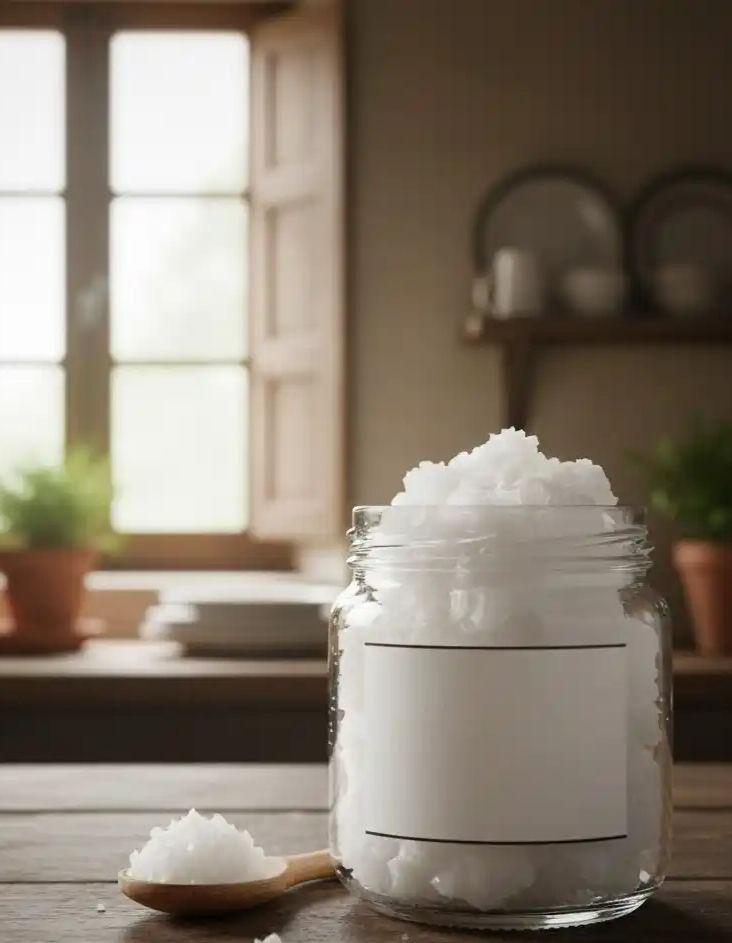
Coconut Oil (Solid State)
Overview:
Composition: 100% Saturated fat (vegetable source).
Key Function: Acts as a solid fat replacement; adds slight coconut flavor (unless refined).
Result: Good creaming ability, firm texture when cool, tends to spread more than butter/shortening.
What it is used for: Vegan baking substitutes for butter, quick breads, granola bars.
Coconut oil is a plant-based fat that is liquid at temperatures above 76 degrees Fahrenheit (~24C) but solid at cooler room temperatures, allowing it to function as a solid fat.
Uses and Desired Texture:
Coconut oil is primarily used in vegan baking or when a subtle coconut flavor is desired. It is the ideal choice for:
Vegan Cookies and Muffins: Replaces butter in recipes requiring creaming; must be solid when used.
Crispy Toppings: Its high saturated fat content helps create crisp, stable finished products.
Why Coconut Oil Works:
Coconut oil is nearly 100% saturated fat, giving it a solid structure that allows it to mimic the creaming action of butter or shortening. It traps air, providing lift. However, because its melting point is low, products made with coconut oil tend to spread more rapidly in the oven compared to those made with shortening, requiring shorter baking times or slight chilling of the dough before baking.
Fats are Friends
The world of baking fat is a fascinating study in structure, water, and melting points. Whether you seek the unmatched flavor complexity of butter, the tender chew of oil, or the superior flakiness of shortening or lard, the fat you choose is the single most powerful determinant of your finished product's texture. By understanding how each category—from the air-trapping properties of solids to the moisture-enhancing quality of liquids—functions chemically, you gain the ability to tailor your fat choices precisely, moving beyond the recipe to truly master the art of the perfect bake
If you haven't done so, please also read The Foundation of Flavor 2: A Guide to Liquid Fats in Baking!