

The Sweetheart of the Mediterranean: Marjoram, the Key to Balanced Flavor
The Milder Muse: Understanding Marjoram's Delicate Charm
Marjoram is the refined, sophisticated counterpart to the bolder, more assertive Oregano. While they are related, Marjoram is distinguished by its gentler, more floral, and sweeter flavor, lacking the strong "spicy" punch of its cousin. Historically associated with joy and peace, Marjoram is technically a tender perennial but is often cultivated as an annual in most climates due to its sensitivity to frost. Achieving success requires providing intense sunlight and excellent drainage to concentrate its delicate essential oils.
Sweet Marjoram (The Definitive Culinary Choice)
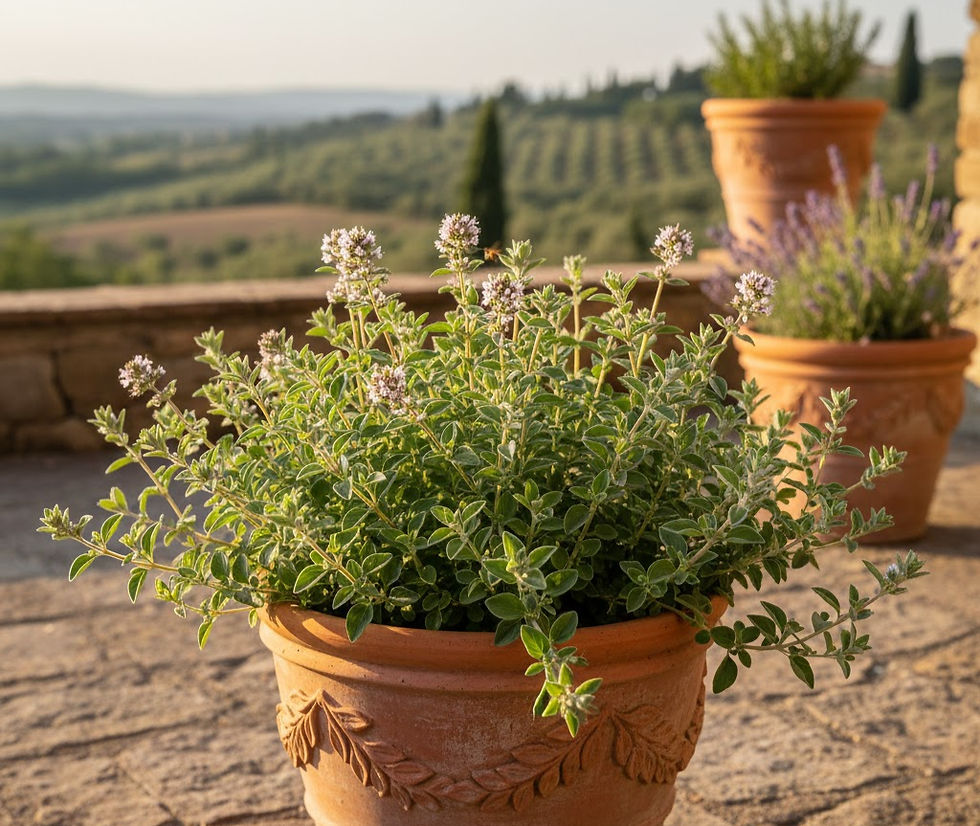
The most common and widely sought variety is Sweet Marjoram, known for its tiny, velvety leaves and sprawling, bushy growth habit. Unlike some Oregano varieties, Marjoram has a consistent and distinctly sweet, floral aroma, making it prized for delicate meat, vegetable, and egg dishes where the stronger flavor of Oregano would overwhelm.
Flavor Profile: Sweet, warm, floral, and slightly woody, with notes reminiscent of pine and citrus but without bitterness.
Culinary Uses: Excellent for delicate poultry and seafood dishes, egg salads, herbes de Provence blends, vegetable stocks, and as a finishing garnish on roasted vegetables. It is best used fresh or added near the end of cooking.

Fresh vs. Dried Marjoram (The Loss of Sweetness)
While Marjoram retains its warmth when dried, it sacrifices its most valuable characteristic: its sweet, floral nuance. The essential oils that provide this fresh sweetness are highly volatile and dissipate during drying. What remains is an earthy, slightly woody flavor that resembles a muted version of Oregano, losing its unique identity.
Flavor Contrast: Dried Marjoram loses its delicate sweetness and floral notes, becoming more muted, woody, and less distinctive than the fresh herb.
Culinary Uses: Use dried Marjoram only in long-cooked dishes like slow roasts, stews, or heavy sauces, where the loss of nuance is less critical. For fresh dishes, it is far superior to use the fresh leaves or freeze them for later use.
Growing Marjoram: Getting Started
Marjoram is relatively easy to grow from seed or cuttings and, like many Mediterranean herbs, prefers to be neglected rather than pampered.
When to Plant: Marjoram is highly frost-sensitive. Plant seeds or transplants 2–3 weeks after the last expected frost date, once soil temperatures are reliably warm.
Soil Preference: Marjoram requires poor, sandy, and lean soil with excellent drainage. Rich soil encourages weak, rapid growth and dilutes the flavorful essential oils. Avoid heavy clay soil.
Fertilization: Marjoram is a very light feeder. Avoid fertilizer entirely unless the plants look visibly stunted. The best way to increase flavor intensity is by minimizing water and nutrients.

Maintenance: Sun, Water, and Encouraging Bushiness
Maintenance for Marjoram focuses on maximizing sunlight exposure and consistent harvesting to encourage dense, flavorful foliage.
Sunlight: Marjoram demands full, intense sun (6–8 hours daily). Full sun exposure is key to building the concentrated essential oils that give the herb its sweet, defining flavor.
Watering Needs: Marjoram is drought-tolerant. Allow the soil to dry out completely between waterings, watering sparingly. Excessive moisture, especially in the roots, is its biggest weakness.
Pruning (Pinching): Frequent pinching is essential. Harvest the top two inches of the stems regularly throughout the season to prevent flowering and encourage the plant to grow bushier and denser. This ensures a continuous supply of the most tender, high-flavor leaves.
A Delicate Delicacy!
By understanding Marjoram’s preference for heat, intense sun, and poor, dry soil, you can successfully grow this tender Mediterranean delight. While it is typically grown as an annual, its sweet, floral flavor is irreplaceable in the kitchen. Provide excellent drainage and harvest frequently to ensure a continuous supply of this delicate, sophisticated herb.