

The Perfect Balance: Choosing Between Lean Soil and Rich Soil
What Makes Soil "Lean" or "Rich"?
The terms lean soil (or poor soil) and rich soil(or fertile soil) describe two fundamental types of gardening environments, and your success depends entirely on matching the right herb to the right soil. "Richness" isn't just about how dark the soil is; it's a measure of its organic matter (OM) content and its ability to retain nutrients and water. Understanding this difference is the secret to thriving herbs, ensuring that your delicate Basil gets the fuel it needs, while your drought-loving Rosemary doesn't drown.
Rich Soil: The Formula for Fast, Leafy Growth
Rich soil is highly fertile and packed with decomposed organic matter, such as compost and aged manure. It is the ideal medium for plants that require continuous, abundant energy for rapid growth or high yields.
Nutrient Profile: High in macro-nutrients, particularly Nitrogen (N), which supports lush, green foliage.
Water Retention: Excellent. The spongy organic matter acts like a sponge, holding moisture for leafy plants that transpire quickly (lose water through leaves).
Ideal Candidates: This soil is perfect for annual, leafy, or water-loving herbs like Basil, Mint, Cilantro, and Chives. These plants need continuous moisture and fuel for non-stop harvesting.
Composition: Typically dark brown or black, soft, crumbly, and heavy.


Lean Soil: The Formula for Flavor and Resilience
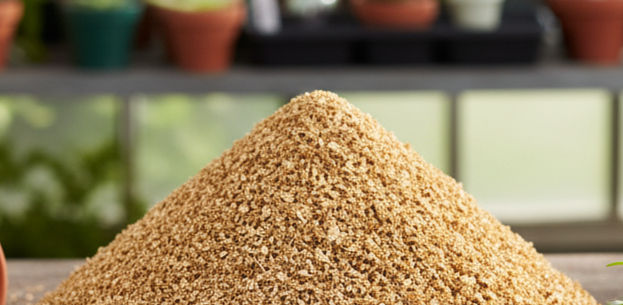
Lean soil is the opposite: it has very low organic matter content, often consisting largely of sand, grit, or small rocks. It is considered "poor" in nutrients but is actually the perfect home for herbs that naturally thrive in harsh, dry climates.
Nutrient Profile: Low fertility. This forces the plant to concentrate its energy on producing defense compounds (essential oils) rather than excessive leaves, which results in stronger flavor and aroma.
Water Retention: Extremely poor. Water drains almost instantly, making it impossible for water-sensitive roots to sit in moisture.
Ideal Candidates: This soil is essential for Mediterranean, woody, or drought-tolerant herbs like Rosemary, Lavender, Thyme, Oregano, and Sage. They require sharp drainage to prevent fatal root rot.
Composition: Typically light in color, gritty, dry, and fast-draining.
The Drainage Dilemma: The Defining Difference
The single most important difference between lean and rich soil, especially for herbs, is drainage. Rich soils, high in organic matter and clay, can become heavy and compacted when wet, which holds water around the roots. This is deadly for woody, Mediterranean herbs.
The Root Rot Risk: Herbs that naturally live on rocky hillsides (Rosemary, Lavender) cannot tolerate "wet feet." In rich soil, they quickly develop root rot because the roots cannot breathe and essentially drown.
The Solution for Lean Soil: To create lean soil, gardeners amend standard potting mix or garden soil with large amounts of non-organic material like sand, perlite, or gravel to ensure that water immediately rushes out, simulating the plant's native rocky habitat.

Adjusting Rich Soil to Achieve "Lean" Status
If your native garden soil is naturally rich and dark, you don't have to overhaul your entire garden to grow herbs like Lavender successfully. Container growing provides the easiest solution to creating specialized "lean" soil.
For Mediterranean Herbs: When potting, avoid using bagged potting mix alone. Create a blend that is one-third potting mix, one-third sand/grit, and one-third perlite. This drastically reduces fertility and ensures essential, sharp drainage.
For Leafy Herbs: You can use a standard rich potting mix, but ensure containers still have excellent drainage holes to prevent waterlogging. Their high fertility needs allow them to thrive where the slow-growing, woody herbs would fail.
Your Garden's Happiest Balance
Mastering the difference between lean and rich soil is the key to herb gardening success. By pairing your leafy, hungry herbs (Basil) with moisture-retentive rich soil and your woody, drought-tolerant, flavor-rich herbs (Lavender) with fast-draining lean soil, you are respecting their native environments. This thoughtful approach to soil composition guarantees the best possible flavor and longevity for every plant in your collection!