

Sun-Drenched Scents: Herbs That Thrive in the Heat Part 2
Growing Aromatic Herbs Under a Warm Sun
In warm climates, where the sun is relentless and the days are long, the challenge isn't keeping plants alive, but ensuring they turn that intense heat into intense flavor. Forget the delicate, leafy herbs that bolt at the first sign of summer; a host of Mediterranean and tropical powerhouses thrive in these conditions, channeling the scorching sunlight into highly concentrated essential oils. This comprehensive guide unveils your perfect arsenal of heat-loving champions—from aromatic Rosemary and pungent Oregano to lush Basil—providing the specialized tips needed to master their growth, maximize their potency, and enjoy a vibrant, continuous harvest all season long.
Please also check out Part 1 here!
Rosemary
Why it thrives: Native to Mediterranean climates, rosemary tolerates drought and intense heat with ease.
Why it’s great for baking: Its piney, aromatic flavor pairs beautifully with olive oil breads, roasted garlic rolls, and even lemon-rosemary pound cake.
For more information on rosemary, check out The Essence of the Mediterranean: Why Fresh Rosemary is a Garden Staple
Growing Tip: Plant it in full sun with sharply draining soil—this herb hates wet feet and thrives in dry, warm conditions.
Growing and Maintaining Resilient Rosemary
Rosemary is a sun-loving Mediterranean native that dislikes having "wet feet." The best time to start rosemary from seed is challenging and requires a long lead time, so most gardeners choose to purchase a plant. If you are starting from cuttings, start them indoors in late winter or early spring. If you are purchasing a plant, the best time is in early spring, so the plant has the entire warm season to establish a strong root system. Rosemary requires full, intense sun (at least 6 hours daily) and thrives in sandy, well-draining, and even rocky soil that mimics its native environment. It is highly drought-tolerant once established. Optimal soil conditions are poor to moderately fertile, slightly acidic to neutral (pH 6.0–7.5). Avoid rich, wet soils, which lead to root rot. When it comes to fertilizer, rosemary is a light feeder; usually, no dedicated fertilizer is needed if planted in the ground. If you are growing it in a container, use a diluted balanced liquid fertilizer once in the spring and perhaps again in mid-summer, but be extremely conservative.
Harvesting for Shape and Vigor
Rosemary is a slow-growing woody shrub, and it tolerates pruning very well. You can begin harvesting small sprigs once the plant is established. To promote a bushy shape and prevent it from becoming too leggy, always prune the new, green growth, avoiding the old, woody parts of the stem, as cutting into old wood can often stop the branch from growing back. When harvesting, use sharp scissors or shears to remove up to 20% of the plant at any one time. The best time for a large harvest is just before the plant begins to flower. While rosemary is hardy in many zones, bringing container plants indoors before the first hard frost will allow you to enjoy fresh sprigs all winter long.


Thyme
Why it thrives: Tiny leaves and spreading growth help it resist heat and conserve moisture.
Why it’s great for baking: Earthy and subtle, thyme enhances savory muffins, cheese biscuits, and herb crusts. Lemon thyme adds brightness to shortbread and fruit tarts.
For more on varieties of thyme check out my articles on the Culinary Staples and the Scented Wonders!
Growing Tip: Thyme thrives when planted in full sun and well-draining soil—avoid rich or moist conditions to preserve its flavor and prevent root rot.
Growing and Maintaining Hardy Thyme
Thyme is exceptionally forgiving once established, but it needs specific conditions to thrive. Like rosemary, it is rarely started from seed due to slow germination; starting with cuttings or divisions in the spring is more common. If you choose to buy plants, purchase them in early to mid-spring to allow the roots time to develop before the summer heat hits. Thyme demands full sun (6 to 8 hours minimum) and its soil requirements are similar to rosemary: it requires poor to moderately fertile, well-draining, and even sandy soil. Wet soil is its enemy and will quickly lead to root rot, so prioritize drainage above all else, keeping the pH slightly acidic to neutral (6.0–8.0). As a frugal plant, thyme rarely needs feeding. If your soil is very poor or you are growing in a container, a single application of a diluted, balanced liquid fertilizer in the early spring is sufficient to encourage new growth for the season.
Harvesting for Concentrated Flavor
For the best flavor, harvest thyme just before the plant begins to flower, as this is when the essential oils are most concentrated. To harvest, use sharp shears to snip off the top five to six inches of the tender, green stem tips, leaving the woody base intact. Never cut into the old, brown, woody growth, as it will struggle to regenerate. Regular, light pruning throughout the season helps maintain a compact, bushy shape and encourages continuous growth. You can harvest thyme year-round in mild climates, and the woody nature of the stems makes them easy to dry. If you plan to overwinter thyme in colder zones, avoid heavy pruning late in the season (after early autumn) so the plant can prepare for dormancy.
Mint
Why it thrives: Hardy and fast-growing in warm, sunny spots.
Why it’s great for baking: Refreshing and sweet, mint lifts chocolate cakes, brownies, and fruit breads. Try spearmint or chocolate mint for extra depth.
For some warnings and growing tips specific to mint, please check out The Mint Maze!
Growing Tip: Frequent trimming encourages bushier growth and prevents flowering, which can reduce leaf flavor. Snip stems just above leaf nodes.
Growing and Maintaining Contained Mint
To successfully grow mint, you must prioritize containment. While you can start seeds indoors about 8 weeks before the last frost, most gardeners opt to buy an established plant or rooted cutting in early spring to ensure they get the exact variety desired (since mint hybridizes easily). Mint is a fast-growing plant that thrives in full sun to partial shade; in very hot climates, afternoon shade is beneficial to prevent leaf scorch. Mint’s biggest requirement is moisture: it prefers rich, moist, and slightly acidic soil (pH 6.0–7.0) amended with plenty of compost. Unlike rosemary and sage, mint needs consistent watering, keeping the soil evenly moist but never waterlogged. It is highly recommended to always grow mint in a container, whether you place the pot in a garden bed or keep it on a patio, to restrict its aggressive underground runners (rhizomes).
Harvesting and Fertilizing for Flavor
Mint is a hungry plant, especially when grown in containers. To maintain vibrant growth and rich color, apply a diluted, balanced liquid fertilizer (such as a 10-10-10) once in the early spring as growth resumes, and then every 4 to 6 weeks throughout the growing season. Consistent harvesting is key to both maximum yield and preventing the plant from "bolting" (flowering), which diminishes leaf flavor. To harvest, snip the tender stem tips down to the second or third set of leaves. Cutting the plant back by up to one-third of its height a few times during the season encourages new, fresh growth. If you see flower spikes begin to form, pinch them off immediately. At the end of the season, you can cut the entire plant back to about an inch above the soil, and it will return the following spring, often requiring division or repotting every few years to keep it vigorous.
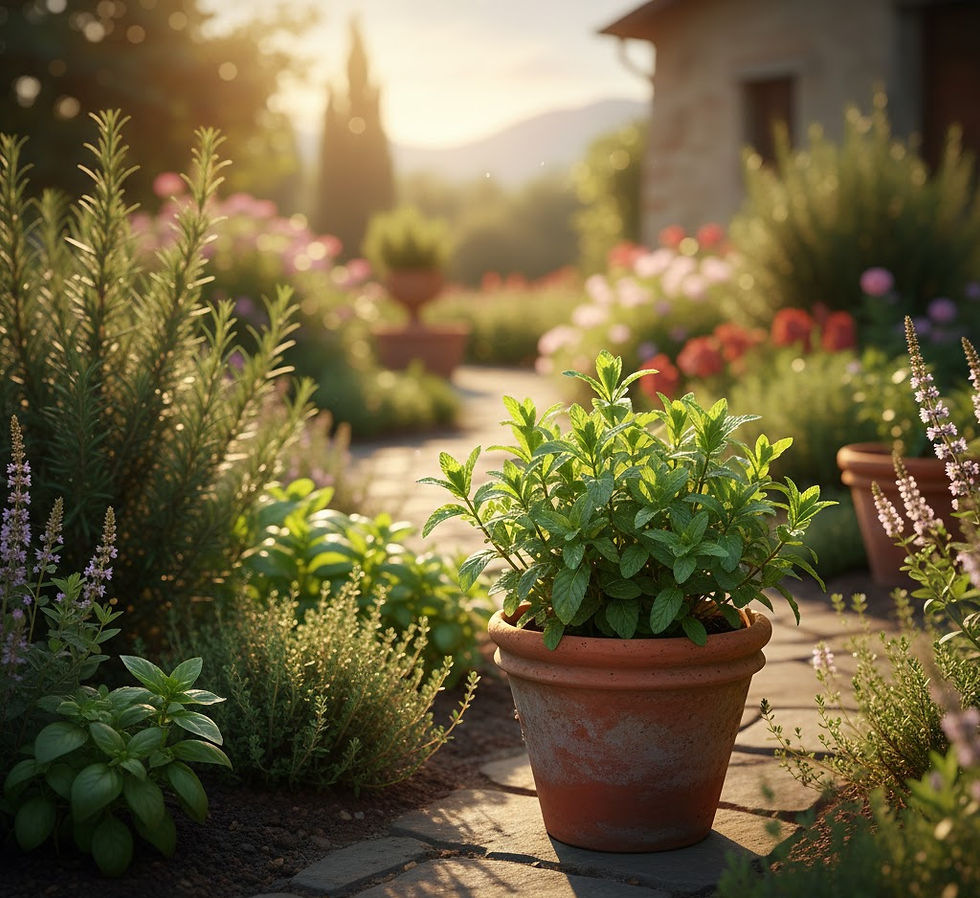

Lemon Balm
Why it thrives: Prefers warm weather and partial sun.
Why it’s great for baking: Mildly citrusy and floral, lemon balm is lovely in tea cakes, sugar cookies, and infused syrups.
Growing Tip: Plant it in full sun with rich, well-drained soil—and to trim flowers early to prevent it from spreading too aggressively.
Growing and Maintaining Fragrant Lemon Balm
Lemon balm is incredibly easy to grow and a good choice for those who want a reliable, aromatic addition to their garden. While it can be started from seeds indoors 6 to 8 weeks before the last frost, it is much faster and more reliable to purchase a plant in early spring or simply start it from cuttings or divisions. Similar to its cousin mint, lemon balm thrives in full sun to partial shade; in intense summer heat, partial shade helps prevent leaf burn and bolting. It prefers moist, rich, well-draining soil with a pH around neutral (6.5–7.5). Its biggest requirement is consistent moisture; avoid letting the soil dry out entirely. Due to its invasive nature, it is highly recommended to grow lemon balm in containers or in an area where its spread can be naturally contained, as its rhizomes are aggressive.
Harvesting and Fertilizing for Essential Oils
Lemon balm is not a heavy feeder, especially when grown in the ground. If you are growing in a container, a single application of a diluted, balanced liquid fertilizer in the early spring and perhaps a mid-summer boost is all it needs. Too much fertilizer can dilute the essential oils responsible for its lovely lemon scent. The best time to harvest for peak flavor and potency is just before the plant begins to flower. To harvest, snip the stems back by about one-third of their length, ensuring you cut just above a leaf node. Regular harvesting is essential to encourage new growth and keep the plant compact. If the plant does flower, cut the flowering stems down immediately to prevent unwanted self-seeding, which can be rampant. A severe haircut (cutting back to 2–3 inches) mid-season can revitalize a leggy plant.
Soak Up That Sunshine!
Gardening with warm-climate herbs is more than a practical pursuit—it’s a sensory celebration. These sun-loving plants thrive in heat, releasing bold aromas and vibrant flavors that transform your garden into a living spice rack. Whether you're tending rosemary in terracotta pots or watching basil flourish under golden rays, each herb brings its own personality to the soil. The act of growing them connects you to the rhythms of nature, offering a daily dose of beauty, resilience, and reward.
And when those herbs make their way into your baking, the magic continues. A sprig of thyme tucked into a savory scone, mint folded into chocolate batter, or lemon balm steeped into a syrup—each adds depth, warmth, and a whisper of the garden to your creations. Baking with fresh herbs bridges the outdoors and the oven, infusing your kitchen with the essence of summer. It’s a delicious way to honor the season and savor the fruits (and leaves) of your labor.
If you missed it heres a link to Part 1!!!